What Makes Herpetological Associates Different
Herpetological Associates Research Projects
Discover Herpetological Associates, Inc. Capabilities & Specialties
Herpetological Associates provides a comprehensive range of environmental consulting and planning services specializing in threatened and endangered (T&E) species, their ecology, and conservation. With more than 49 years of experience, our firm has conducted extensive surveys, tracking, and trapping studies involving a wide variety of reptiles, amphibians, birds, and rare plant species.
Our work is performed throughout the eastern United States, with a primary focus on the Mid-Atlantic region, including New Jersey, New York, Connecticut, Delaware, Maryland, and eastern and central Pennsylvania. These services support residential and commercial development, utility and linear infrastructure projects, mitigation and management planning, and research-oriented investigations.
Herpetological Associates is qualified to conduct all phases of T&E species investigations, including Phase I habitat evaluations, Phase II presence-or-absence surveys, and Phase III intensive trapping studies, in accordance with state and federal regulatory requirements.
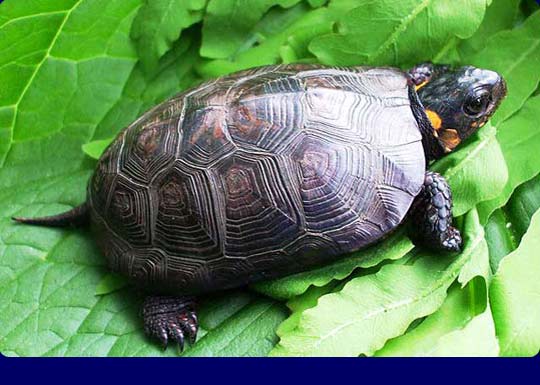
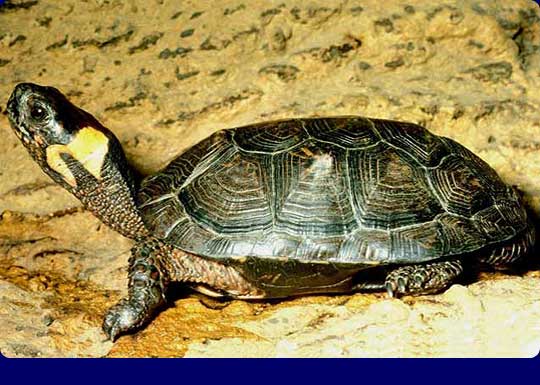
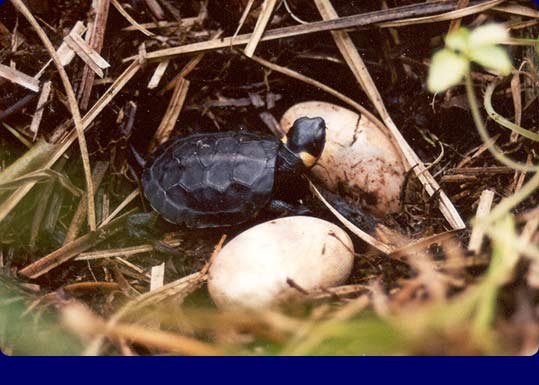
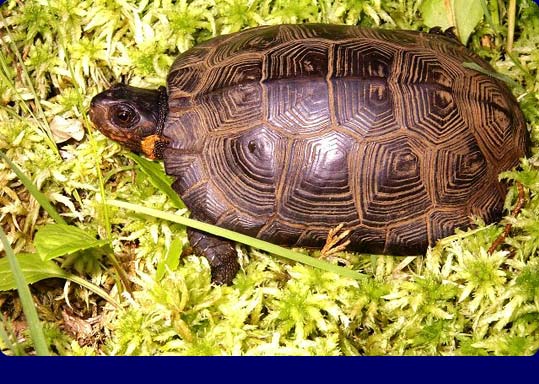
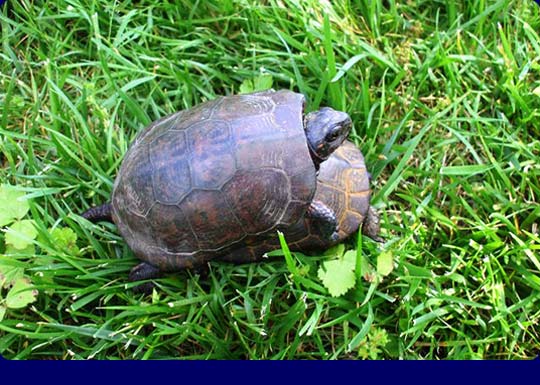
Our staff is experienced in surveying, trapping, and studying both state- and federally-listed species, including the federally listed bog turtle. T&E species surveys are conducted in areas regulated by the New Jersey Department of Environmental Protection and the New Jersey Pinelands Commission, among other agencies. In addition, HA provides on-site environmental monitoring services during construction activities, including work involving venomous snake species, when required by permit conditions.
If you’re considering retaining our services, please visit our service page or contact page.
Ecological Services
Herpetological Associates specializes in habitat evaluations and presence/absence surveys for state- and federally-listed T&E species throughout the Mid-Atlantic region, including New Jersey, New York, Pennsylvania, Delaware, Maryland, and Connecticut. Our work supports environmental permitting, land-use planning, and regulatory compliance for a wide range of public and private projects.
Over the past 49 years, Herpetological Associates, Inc. has completed more than 1,400 T&E species studies, involving a broad spectrum of rare and protected plant and animal species. All investigations are conducted in accordance with applicable state and federal regulatory requirements.
When T&E plant or wildlife species are identified, we work closely with project teams and regulatory agencies to develop mitigation and conservation plans, when required, to offset potential environmental impacts. These plans are designed to minimize habitat disturbance, protect sensitive ecological resources, and ensure full compliance with environmental permits and approval conditions.
Our extensive field experience and regional knowledge allow us to provide clear, defensible data that supports responsible project planning, facilitates regulatory approval, and promotes long-term environmental stewardship across the Mid-Atlantic region. If you’re considering retaining our services, please visit our service page or contact page.
Endangered & Threatened Species Compliance Monitoring
On-site regulatory compliance and species protection during land-disturbance and infrastructure construction projects.
Construction compliance monitoring involves the presence of qualified biologists during land-disturbance activities and infrastructure projects such as pipelines, utility corridors, fiber-optic installations, access roads, and residential or commercial developments. Monitoring is conducted to observe, document, and help limit adverse impacts to plant and animal species, specifically those that are threatened or endangered, while ensuring compliance with environmental permit conditions.
These services are commonly required by regulatory agencies including the U.S. Fish & Wildlife Service (USFWS), the New Jersey Department of Environmental Protection (NJDEP), the New Jersey Pinelands Commission, the New Jersey Highlands Commission, the Pennsylvania Fish and Boat Commission (PAFBC), the New York State Department of Environmental Conservation (NYSDEC), the Connecticut Department of Energy and Environmental Protection (CT-DEEP), and the U.S. Army Corps of Engineers.
During active construction, monitors conduct pre-activity inspections and observe clearing, excavation, trenching, and other ground-disturbing operations within approved work areas. Monitors identify wildlife activity, suitable habitat, or species presence and coordinate protective measures when necessary. If protected species are encountered, monitors may recommend modifications and ensure that approved avoidance and mitigation measures are implemented. All monitoring activities are carefully documented to demonstrate full compliance with permit requirements.
For linear natural gas pipeline infrastructure and utility projects, compliance monitoring also provides oversight to verify adherence to permit conditions, identify environmental constraints, and minimize impacts to listed regulated rare species. Through ongoing field coordination with contractors and regulatory agencies, monitoring services help reduce adverse impacts, prevent project delays, and ensure construction activities proceed responsibly while protecting natural resources.
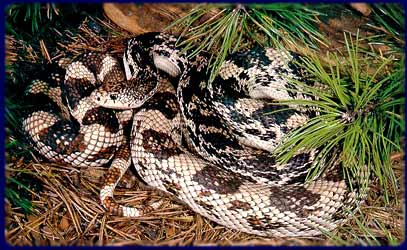
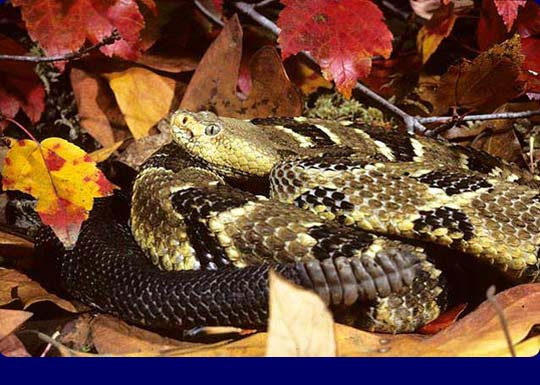
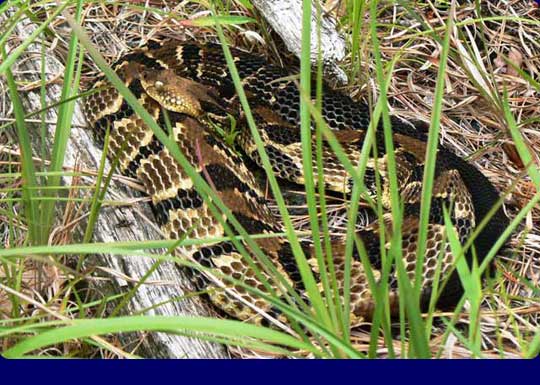
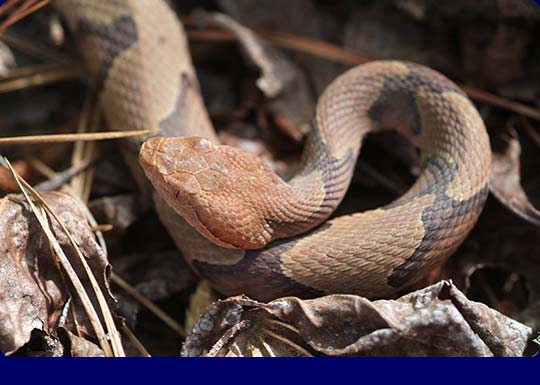
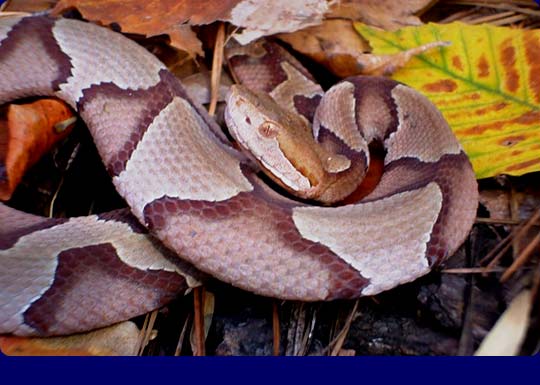
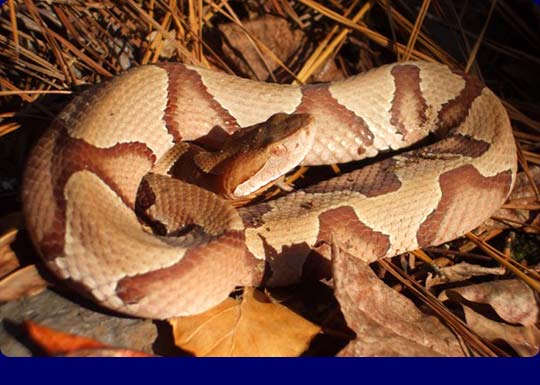
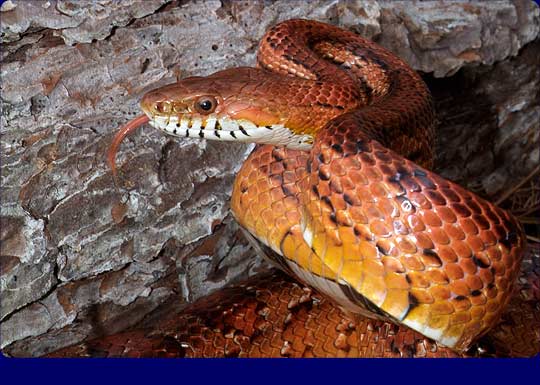
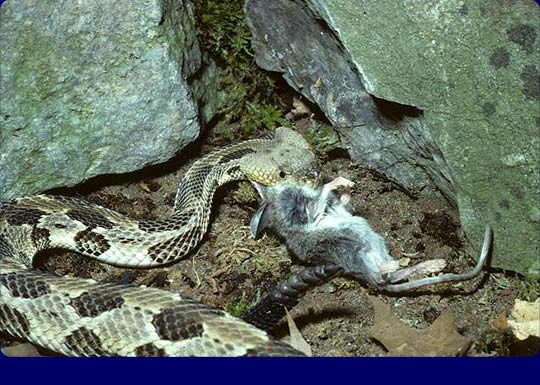
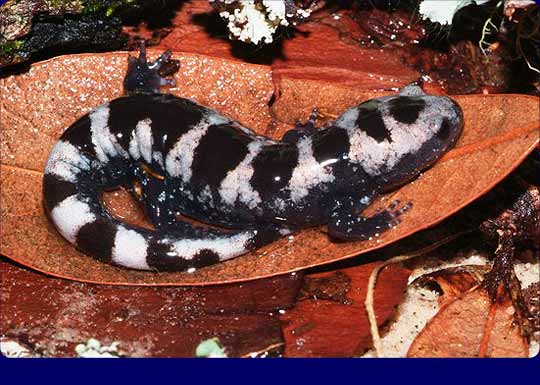
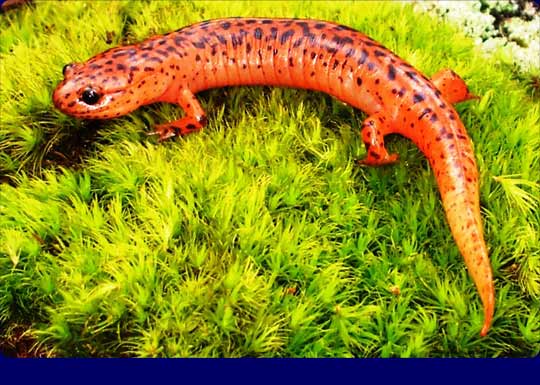
We provide monitoring services for all state threatened and endangered species, including: Tiger Salamanders, Blue-spotted Salamanders, Pine Barrens Tree Frog, Cope’s Gray Tree Frog, Bog Turtles, Wood Turtles, Northorn Pine Snakes, Red Corn Snakes, Northern Scarlet Snakes, and the venomous Eastern Copperhead, and Timber Rattlesnake.
Venomous Snake Monitoring
The State of New Jersey and certain other states recognize qualified herpetologists approved to perform venomous snake monitoring services. Monitoring designations are based on each individual’s experience, qualifications, and field expertise. In New Jersey, Primary monitors represent the highest level of experience, followed by Secondary and Tertiary monitors.
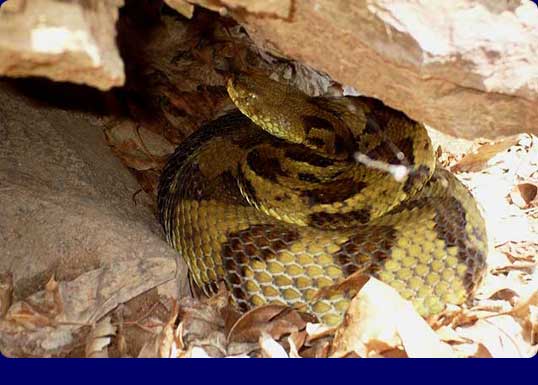
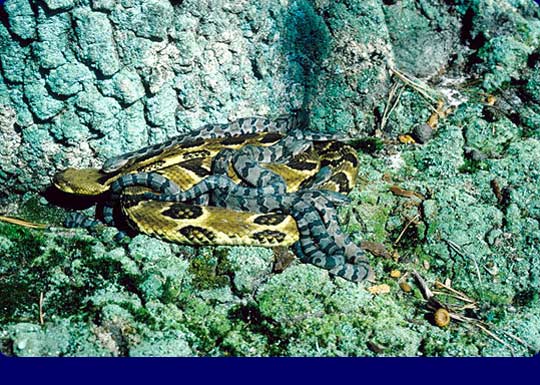
Herpetological Associates provides qualified venomous snake monitoring for projects located within known or potential Timber Rattlesnake and Eastern Copperhead habitat. Depending on the project location, site conditions, regulatory requirements, and level of potential impact, monitoring may be required at the Primary, Secondary, or Tertiary level. Each designation reflects the experience, role, and level of field responsibility needed to support safe construction activities, regulatory compliance, and protection of state-listed venomous snake species.
The staff list below identifies Herpetological Associates personnel by their current venomous snake monitoring designation, including Primary, Secondary, and Tertiary monitoring levels.
Primary Monitors:
Robert T. Zappalorti
David W. Schneider
Quillyn “Quill” Bickley
William “Bill” Callaghan
Raymond Farrell
Secondary Monitors
David Burkett
Tertiary Monitors
Zachary Hulmes
Robert T. Zappalorti Jr,
If you’re considering retaining our services, please visit our service page or contact page.
Threatened & Endangered Reptile And Amphibian Surveys
Herpetological Associates provides specialized biological consulting focusing on reptiles and amphibians protected under state and federal regulations throughout the Mid-Atlantic region. Our work is grounded in decades of field experience and designed to support permitting, compliance, and responsible project planning.
Our services begin with on-site habitat assessments to evaluate existing site conditions and identify potential habitat features, including upland refugia, wetlands, forest edges, and other landscape elements critical to sensitive species. These assessments form the foundation for determining survey needs and appropriate regulatory pathways.
We conduct presence/absence surveys using accepted agency protocols to determine whether specific target species occur within a proposed project site. These surveys are carefully timed and methodically executed to produce accurate and defensible results that can be relied upon by clients and reviewing agencies alike.
For projects requiring a deeper understanding of species behavior and site use, we perform intensive radio telemetry studies. These studies allow us to evaluate movement patterns, habitat use, seasonal activity, and population dynamics. Particular attention is given to critical denning, nesting, and breeding habitats. Telemetry data provides valuable insight that supports critical habitat avoidance, impact minimization, and long-term conservation planning.
Through all phases of a project, Herpetological Associates delivers clear communication, documentation, scientific analysis, and practical recommendations to help clients move forward while meeting regulatory requirements and protecting sensitive natural resources. If you’re considering retaining our services, please visit our service page or contact page.
T&E Avian (Bird) Surveys
Herpetological Associates provides comprehensive avian (bird) surveys, habitat evaluations, and environmental consulting services to support permitting, land development, conservation planning, and regulatory compliance throughout New Jersey, New York, Connecticut, Delaware, Maryland, and Pennsylvania.
Our field biologists conduct scientifically sound avian surveys using state and federal protocol-level methodologies designed to document avian biodiversity, breeding activity, migratory use, wintering bird communities, habitat quality, and sensitive species presence across forests, grasslands, wetlands, coastal habitats, agricultural lands, and urban landscapes. We integrate traditional field observation, acoustic monitoring, GIS mapping, and spatial data analysis to generate reliable results for regulatory review and long-term conservation planning.
These services support federal, state, county, and municipal agencies, land trusts, park systems, conservation organizations, and private landowners seeking accurate avian data for NEPA review, NJDEP permitting, endangered species compliance, site planning, mitigation planning, and ecological stewardship.
Our ornithological expertise includes breeding bird surveys, migratory bird monitoring, raptor surveys, winter bird inventories, stopover habitat assessments, and long-term avian monitoring programs designed to evaluate habitat suitability, identify ecological constraints, and inform responsible land-use decisions.
Ornithological Survey Services
- Call-and-response surveys for nocturnal and secretive species (owls, grassland birds, rails, bitterns)
- Nest location surveys, nest monitoring, and breeding bird confirmation
- Breeding Bird Survey (BBS) methodology and point-count surveys
- Raptor surveys, nest searches, migration monitoring, and winter raptor counts
- Passerine (songbird) surveys, woodpecker surveys, and forest interior bird studies
- Migratory bird stopover and seasonal use assessments
- Winter bird community and overwintering habitat surveys
- Grassland, wetland, forest, coastal, and urban bird habitat assessments
- GIS mapping, habitat modeling, and spatial avian data analysis
- Long-term avian monitoring and conservation planning support
If you’re considering retaining our services, please visit our service page or contact page.
Biological Inventories
Herpetological Associates provides professional ecological consulting and environmental services for state, county, and municipal agencies, park systems, land trusts, and conservation organizations. Our work delivers comprehensive biological inventories, ecological assessments, and wildlife surveys that support environmental planning, land use planning, permitting, and long-term conservation management.
Our inventories establish a reliable ecological baseline that helps clients understand site conditions, evaluate conservation value, and make informed decisions about land stewardship, development, restoration, and public education. We combine traditional field biology with modern mapping, GIS analysis, and documentation techniques to develop detailed, site-specific species catalogs and wildlife habitat assessments. A core component of our services is comprehensive reptile, amphibian, and bird surveys designed to produce accurate, defensible data for environmental review and regulatory planning.
Surveys are carefully structured around habitat type, seasonal timing, weather conditions, and detection probability using proven field methods such as visual encounter surveys, coverboard monitoring, call playback surveys, drift fence and funnel trapping systems, and habitat evaluations. This integrated, multi-species approach provides a complete understanding of site biodiversity and supports effective natural resource management.
Our services also include advanced GIS-based habitat mapping and species distribution analysis to document key landscape features and wildlife patterns across a property. Mapping may delineate wetlands, forest edges and interior habitat, upland refugia and overwintering areas, riparian corridors, floodplain systems, vernal pools, and habitat connectivity. Spatial analysis helps clients understand where species occur, how habitats function together, and where conservation priorities should be directed. As part of this process, we identify biodiversity hotspots—areas of high species richness or ecological significance that are critical for restoration, compliance, and long-term stewardship. We also evaluate landscape structure, wetland systems, refuge areas, and environmental factors that influence wildlife distribution and ecological resilience.
Each project provides data to support long-term monitoring, environmental management, and adaptive decision-making, which allows clients to track ecological change, evaluate management effectiveness, and measure conservation outcomes over time. This information is valuable for park and preserve management, open space planning, and environmental impact evaluation.
Inventories include practical, science-based management recommendations tailored to each site, such as habitat protection priorities, restoration opportunities, invasive species considerations, seasonal activity guidance, and monitoring strategies. These recommendations help balance environmental stewardship with land use objectives.
Findings can also be adapted to support public outreach and environmental education through interpretive signage, educational materials, park-based learning initiatives, and community engagement programs, helping organizations communicate the ecological value of protected land. If you’re considering retaining our services, please visit our service page or contact page.
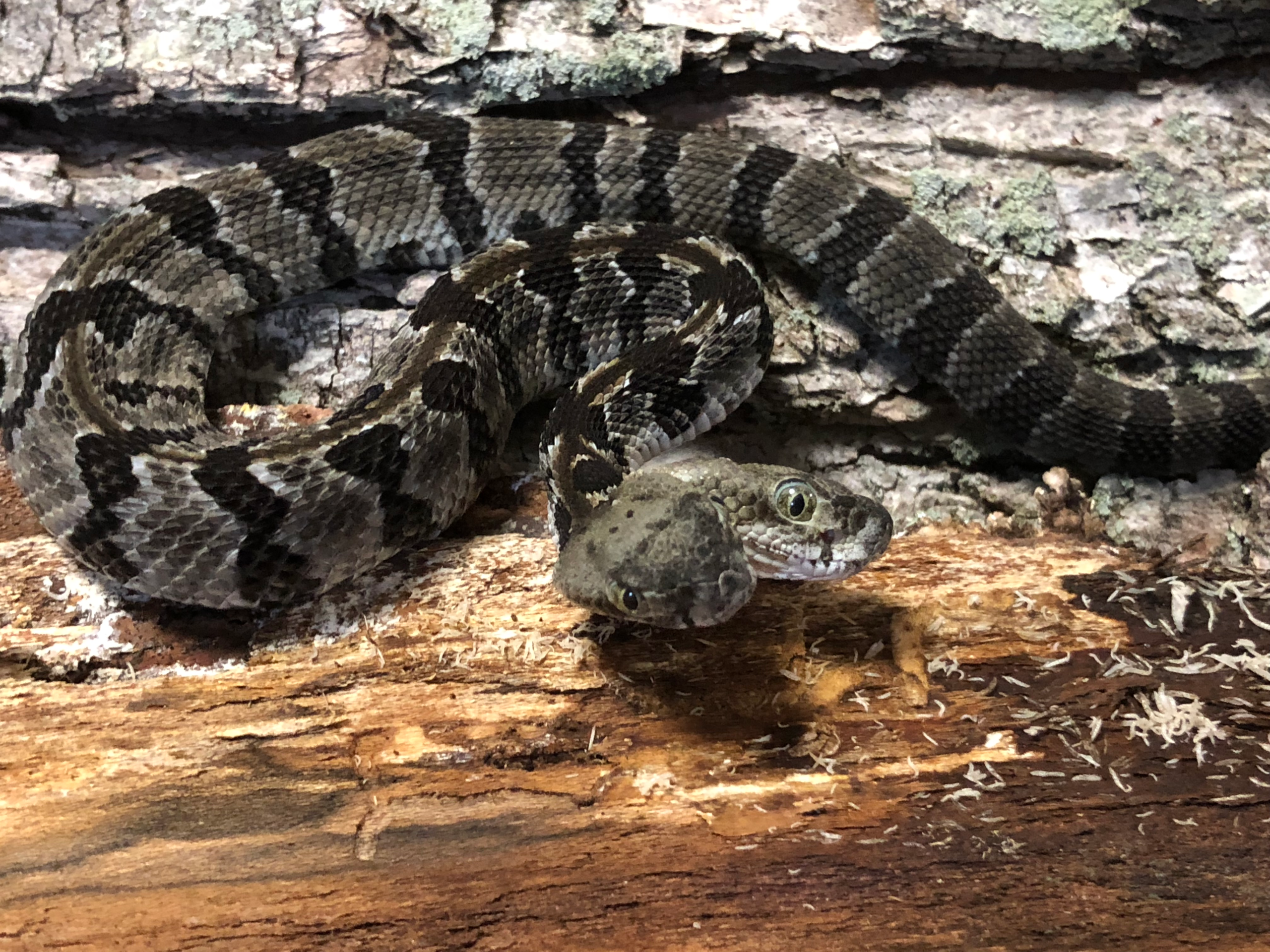
Two-Headed Timber Rattlesnake
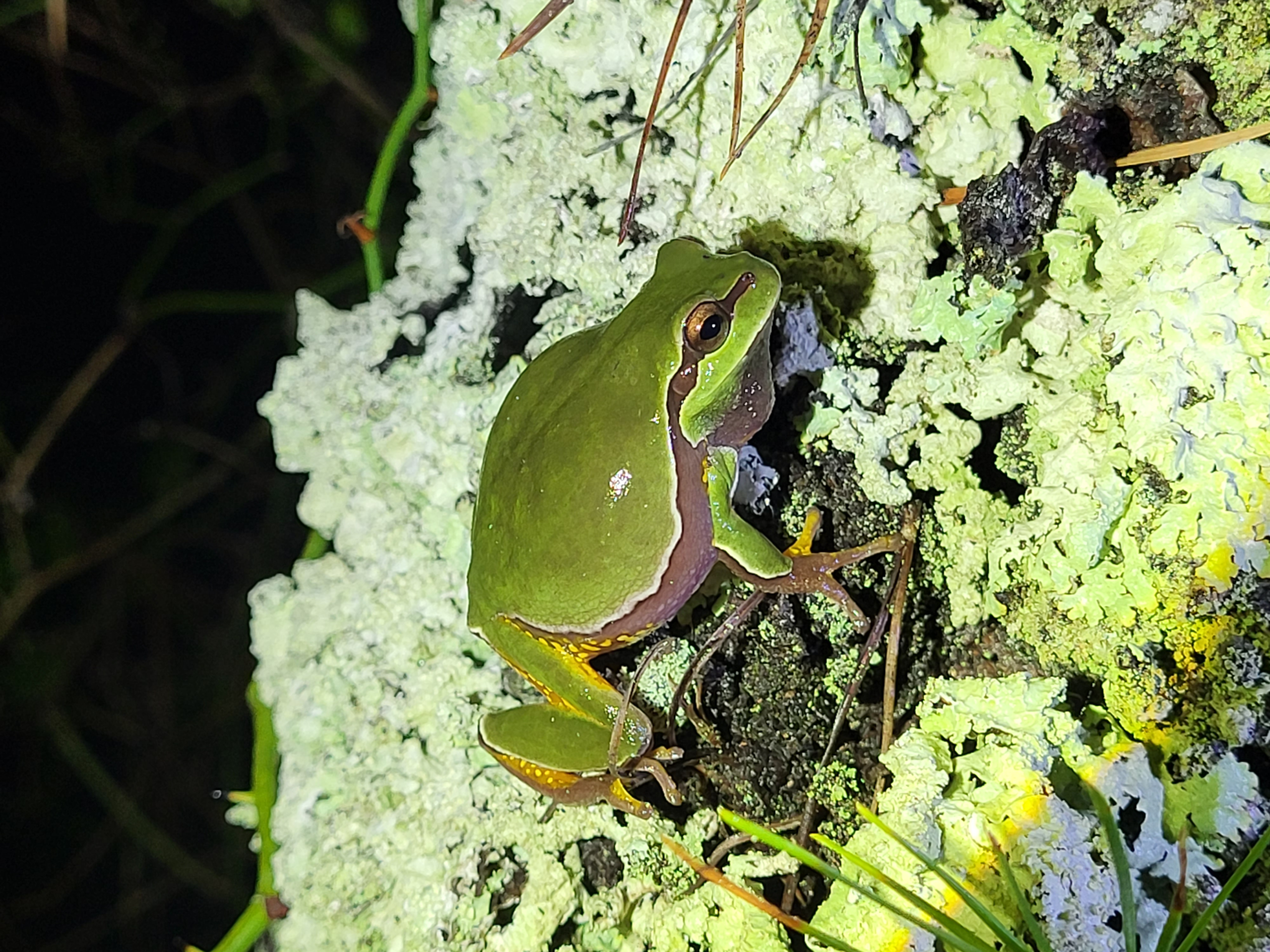
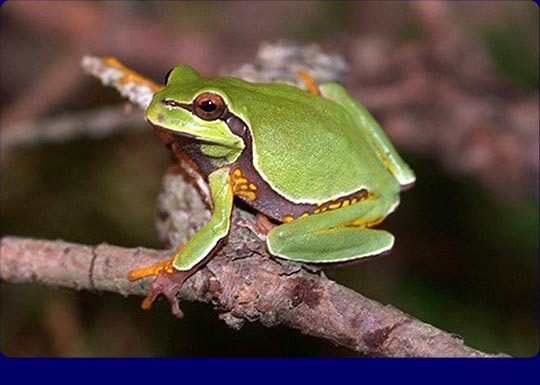
Pine Barrens Treefrog
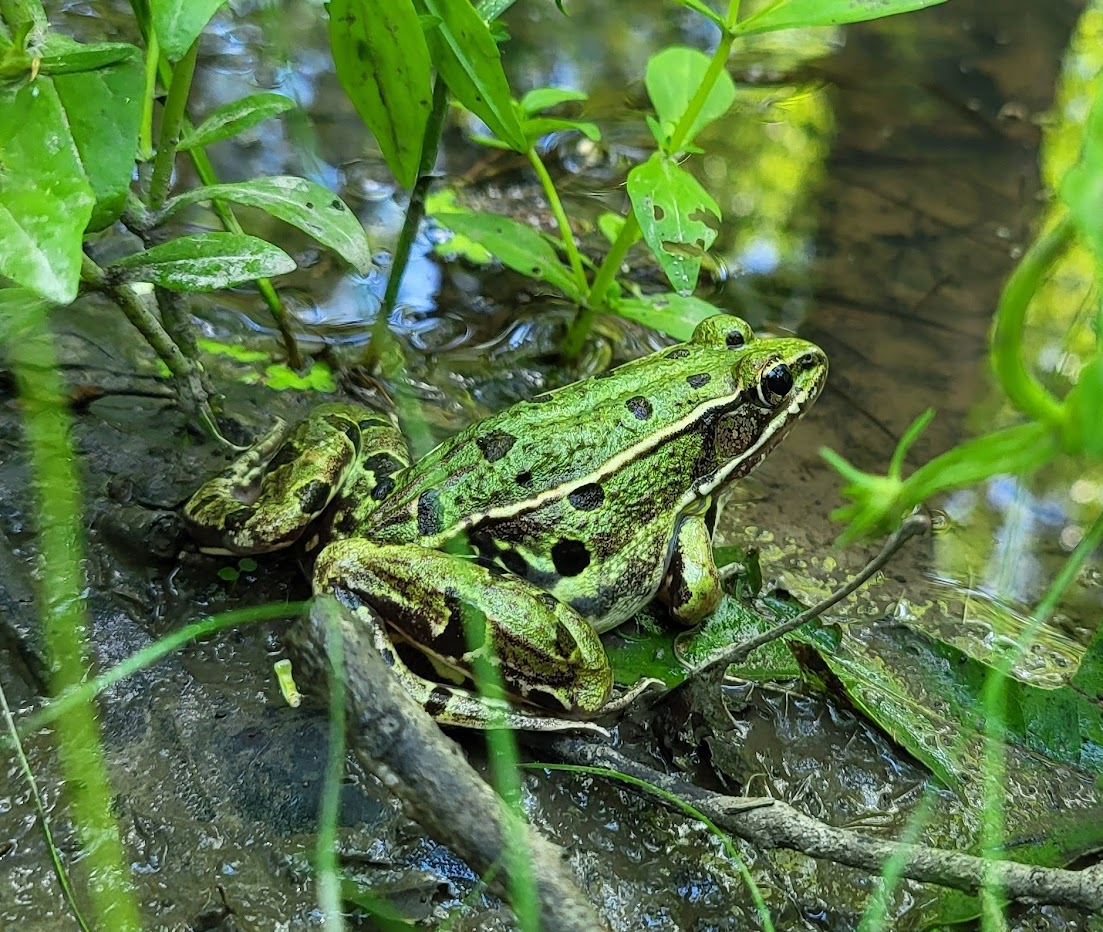
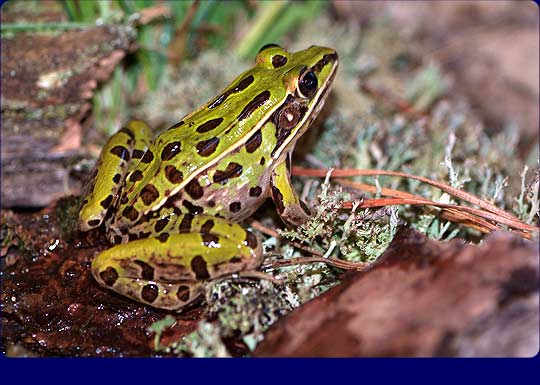
Atlantic Coast Leopard Frog
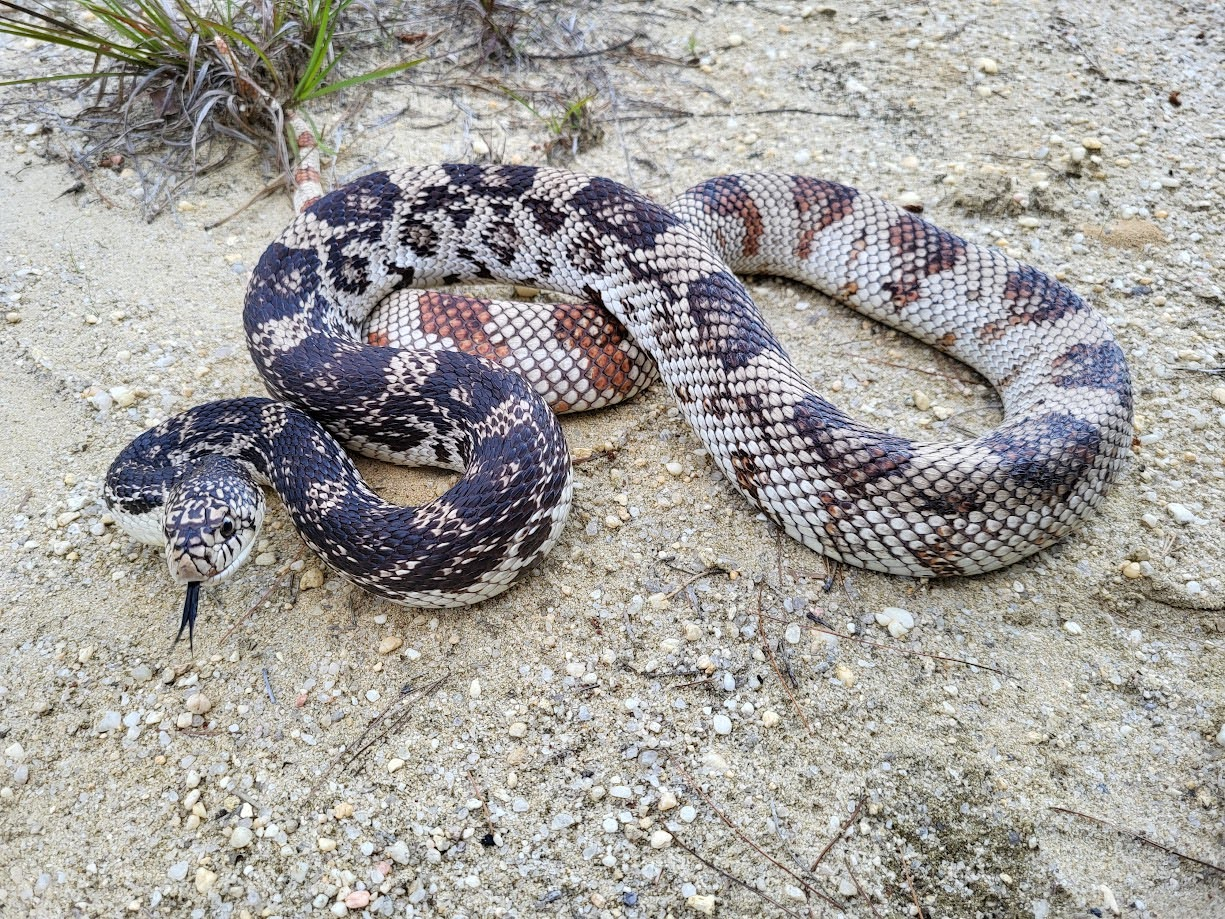
Northern Pine Snake